Power for production, and the vehicles that move it.
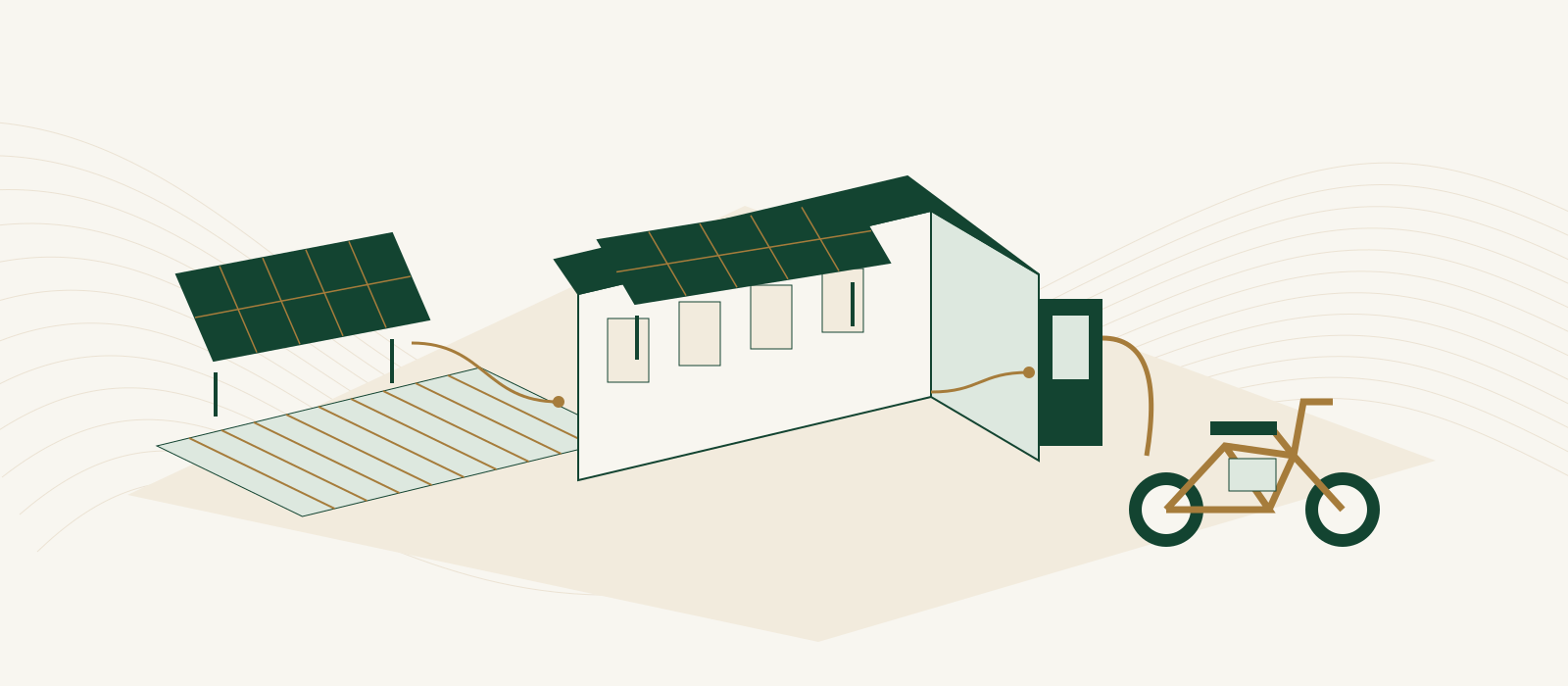
Illustration. A proposed model, not an AVERON facility or completed project.
The opportunity
Dryers, pumps, cold rooms and processing lines need dependable power. We plan to start with those loads at our own proposed sites, then test energy and electric-mobility services around the same hubs.
PlannedAVERON’s energy and mobility line is planned. We do not report operating generation, charging networks, mini-grids or fleet-service contracts.
East Africa now
Generation and access are different problems
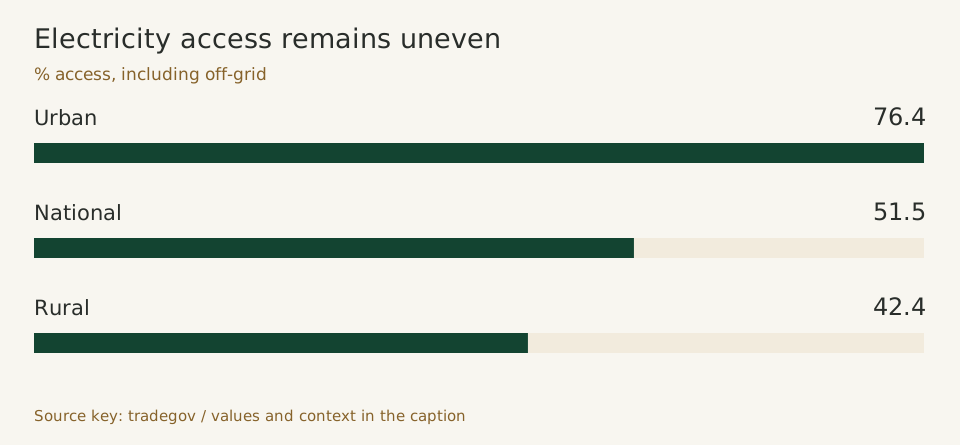
Uganda had 2,048 MW of installed capacity against demand of 985 MW in December 2024. Yet the Commercial Guide reports access of 51.5% nationally and 42.4% in rural areas. Distribution, the cost of connecting and productive demand matter as much as generation.77
Off-grid products have a regional market
GOGLA affiliates reported East African solar-kit sales of 6.6m in 2024, about 71% of reported global sales. Regional pay-as-you-go sales rose 24%. That is evidence of demand, alongside a need to test affordability, collections and after-sales support.90
Electric mobility is moving beyond policy
At a July 2024 commissioning event, Spiro announced a plan for more than 140,000 electric two-wheelers and 3,000 charging and swapping stations by 2028. This was a dated market announcement, not a completed rollout. National public-transport electrification ambitions also remain targets. Neither example is an AVERON partnership.91,82
Start with a productive load
The IEA’s transition pathway links electricity access to pumps, cold chains and industry. AVERON’s proposed route is to size generation and storage around a specific use, with maintenance, spare parts and payment arrangements designed before equipment is procured.89,76
Reported in the December 2025 Uganda Commercial Guide. National access is an aggregate, not the sum of urban and rural rates.77A solar food drier in Uganda, an example of productive use of solar energy. Illustrative photo. Photo: Shafiq Kayondo, CC BY-SA 4.0, via Wikimedia Commons. Resized for the web.
What AVERON will do
Stages describe the proposed sequence. Progress depends on the decision gate for each stage; no commissioning date is promised.
NowProject planning
Define the loads
Set out power requirements for Grain Hub equipment, collection centres and proposed irrigation. Compare grid supply, solar, storage and usable crop residues.76
Decision gateA load profile, site assessment and costed technical options.
NextPlanned
Power our proposed sites
Develop solar and storage for own sites, solar irrigation options for cooperative farms and technically suitable uses for husks and cobs.
Decision gateSite approvals, equipment warranties and a funded maintenance plan.
LaterPlanned / partner dependent
Add mobility and local supply
Test charging and battery swapping at suitable hubs, fleet electrification services and rural-business supply with licensed mini-grid partners.
Decision gateDemand, applicable licences and a bankable operating arrangement.
What the capability includes
Productive-use energy
Solar, storage and appropriate residue-energy systems for drying, irrigation, cooling and processing.
Charging and battery swapping
Proposed sites selected around real routes and users, with safe batteries and a replacement plan.
Fleet electrification services
Vehicle selection, charging plans, maintenance and operating records. Vehicle assembly belongs to Industrialisation.
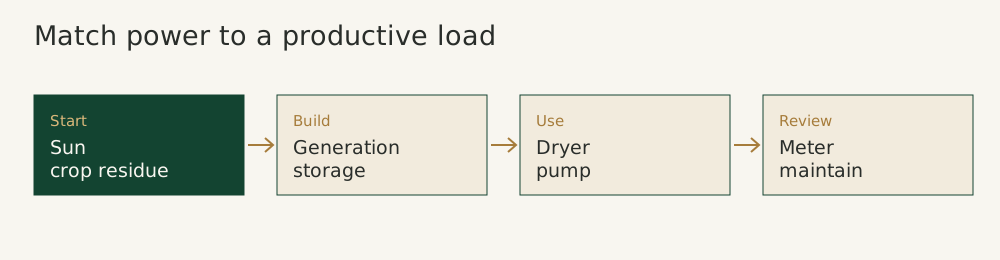
Sun / crop residue
Generation + storage
Dryer / pump / charger
Meter + maintain
Match power to a productive load. Proposed sequence; each stage requires its own checks.76A conventional boda-boda in Kampala. This is transport context, not an electric vehicle or an AVERON fleet. Illustrative photo. Photo: Katanasov (Wikivoyage), Public domain, via Wikimedia Commons. Resized for the web.
How it earns
These are proposed arrangements. Contracts, pricing, operating costs and any regulatory permissions would be confirmed for each activity.
Energy and equipment
Proposed energy sales, equipment leases and service agreements, subject to applicable approvals.
Mobility services
Charging, battery-swap and fleet-service fees where demand supports a viable site.
Partner finance
Pay-as-you-go or lease-to-own arrangements through appropriately licensed finance partners.
Equipment sales and energy services have different working-capital needs. Each proposal would identify who owns the asset, carries the warranty and pays for replacement.76
How it connects
Energy would power Agriculture and Industrialisation. Fintech partners could help customers pay for pumps, solar and electric motorcycles; Data would analyse equipment use and repayment. Crop residues could also support the planned CSR clean-cooking work where fuel quality and safe use are demonstrated.
We welcome discussions around a defined project, capability or delivery need. The structures below are starting points for discussion, not an offer of securities or a promise of returns.
Asset and equipment finance
You bringEquipment, leasing or a suitable finance facility.
AVERON bringsA specific use case, site requirements and a proposed operating plan.